
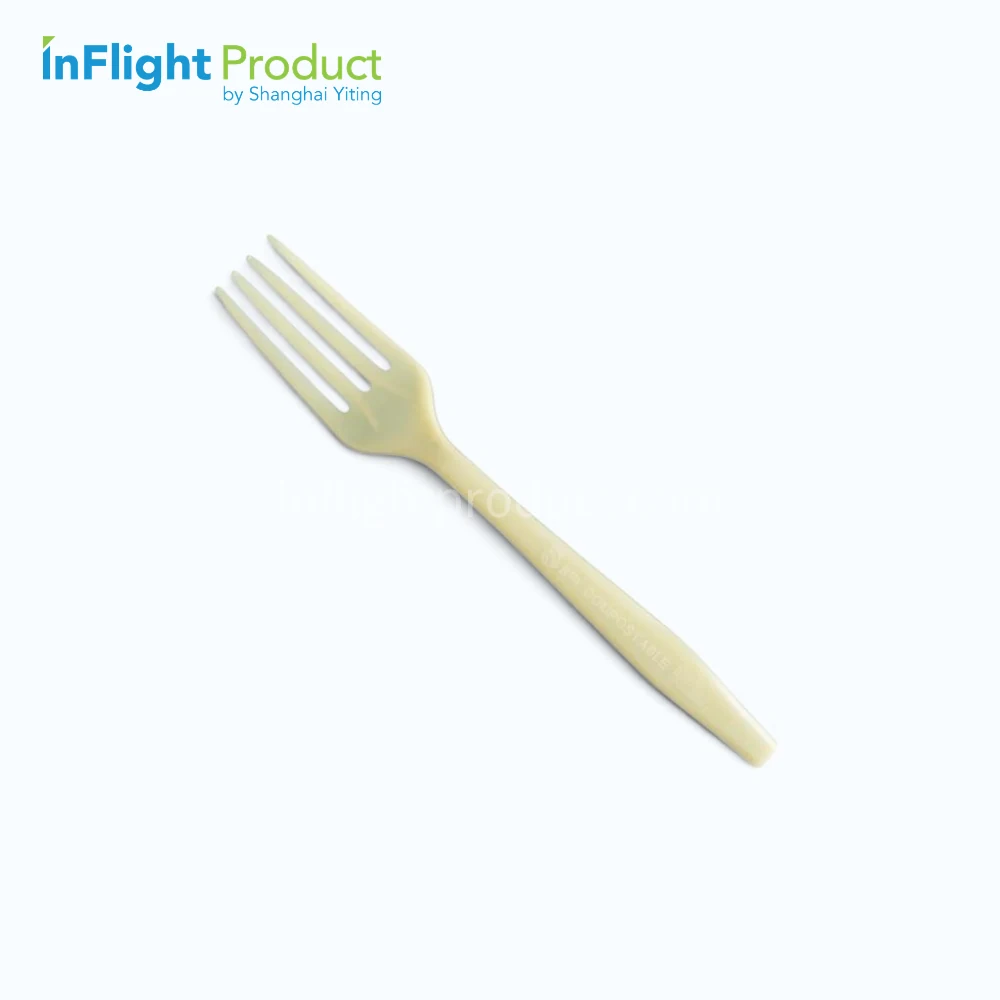
A New Generation of Biodegradable Cutlery
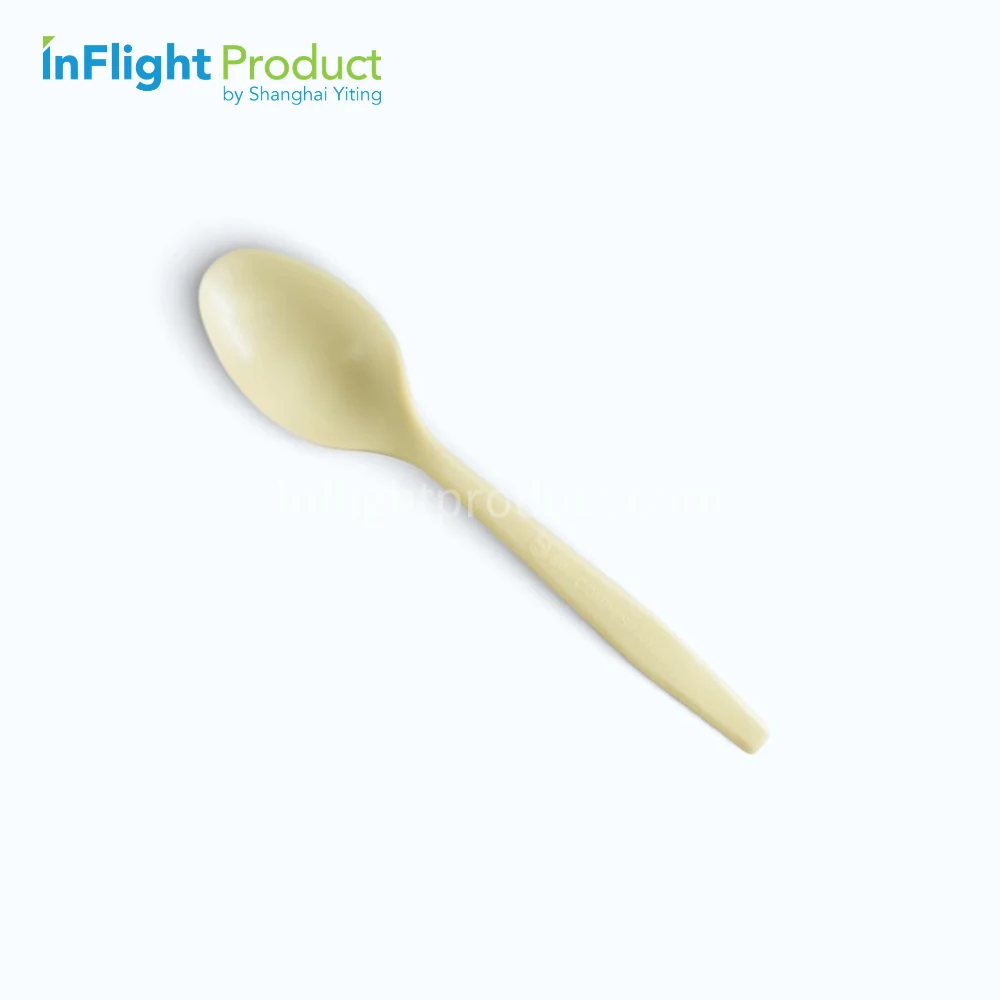
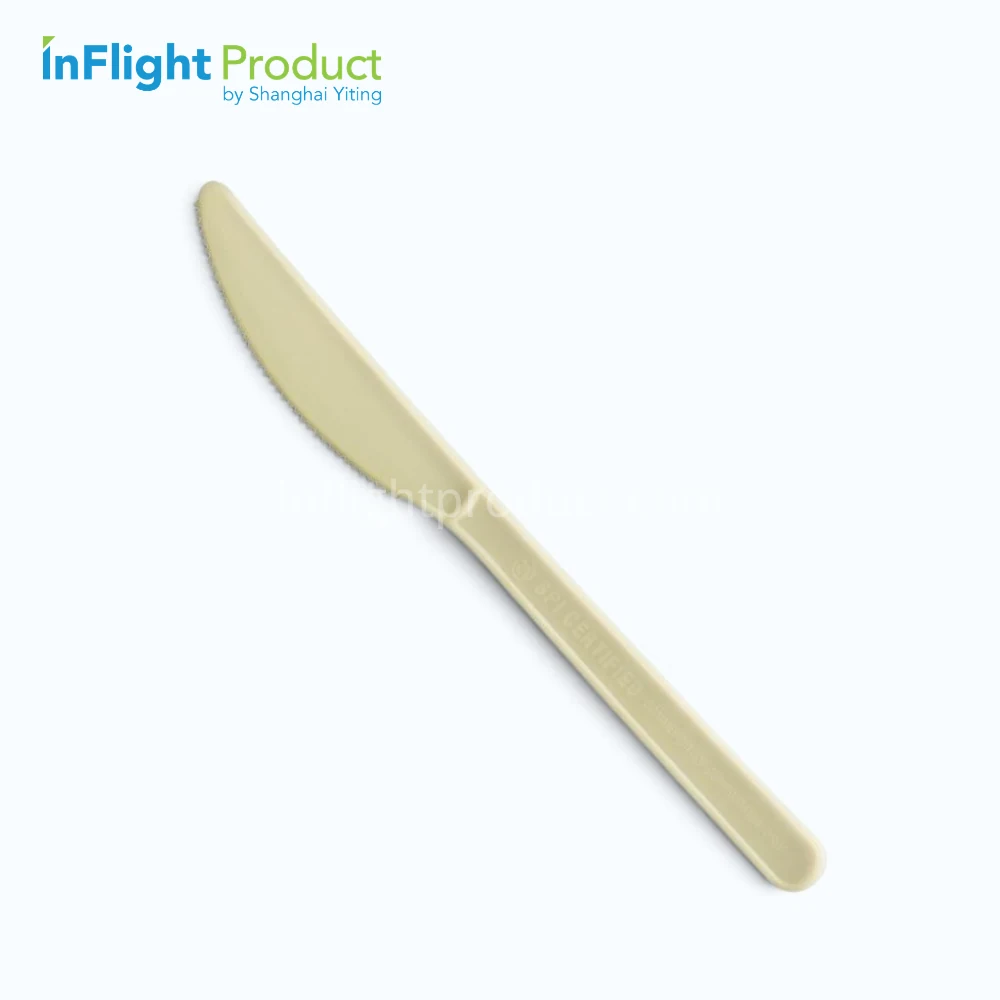
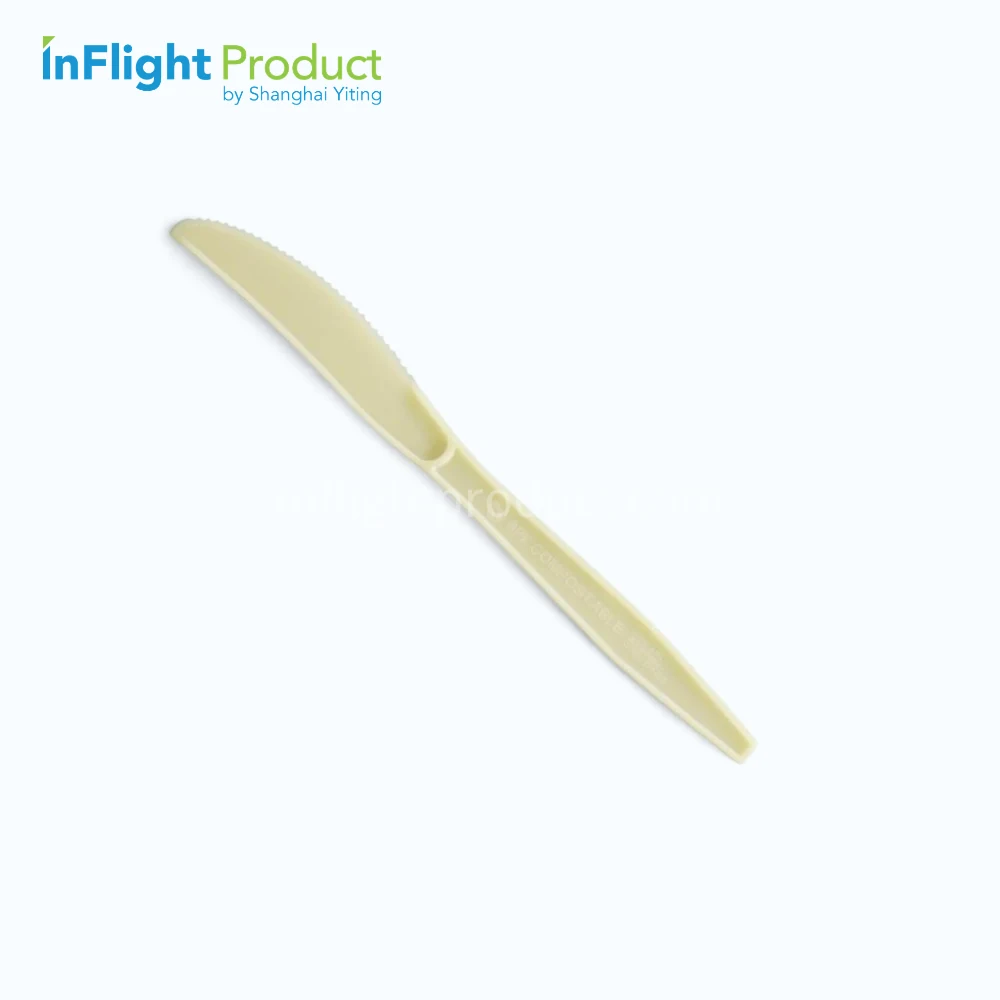
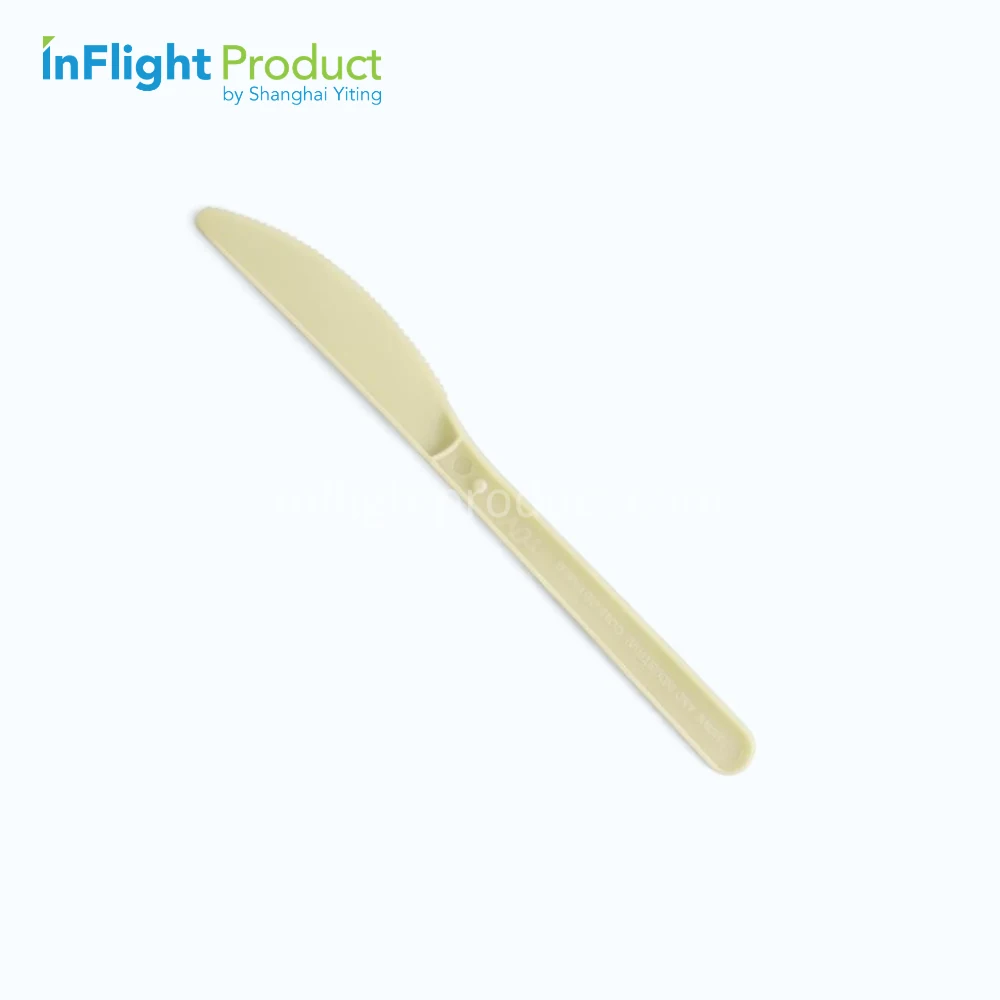
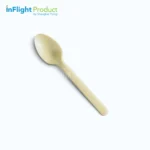
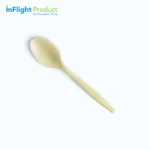
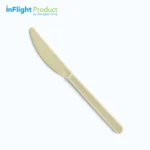
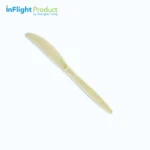
Shanghai Yiting supplies PHB biodegradable cutlery under the InFlight Product range for airlines, inflight caterers, railway operators, foodservice distributors and sustainability-led meal programs. Available in multiple knife, fork and spoon sizes, the utensils can be supplied separately or packed as customized inflight cutlery sets.
PHB is a member of the PHA biopolymer family. Compared with CPLA and many PSM formulations, PHB offers broader biodegradation potential, including home-composting and marine environments when verified for the selected finished product.
Unlike materials that depend mainly on industrial composting, PHB has demonstrated biodegradation potential across compost, soil and marine environments. Actual degradation time depends on the finished formulation, product thickness, temperature, moisture and microbial conditions.
What Is PHB?
PHB, or polyhydroxybutyrate, is a specific member of the PHA — polyhydroxyalkanoate — family. In simple terms, PHA is the material family, while PHB is one type within that family.
PHA biopolymers are produced by microorganisms. PHB combines the familiar handling of a molded plastic utensil with broader biodegradation potential than many conventional bioplastics. This makes it especially relevant to buyers evaluating home-compostable or marine-biodegradation solutions.
Why Choose PHB Cutlery?
- Broader biodegradation potential than CPLA
- Suitable for certified home-compostable formulations
- Marine-biodegradation performance can be independently tested
- Rigid, practical format for disposable meal service
- Multiple sizes and weights for cost and performance selection
- Custom individual wrapping or cutlery-pack integration available
PHB currently costs more than mainstream CPLA and many starch-based materials. Resin supply and qualified processing capacity are also more limited. For sustainability-led programs, however, its potential across multiple end-of-life environments can justify the premium.
Available Knives, Forks and Spoons
Choose a lightweight item for cost-sensitive service or a longer, heavier utensil for improved handling. The current range includes:
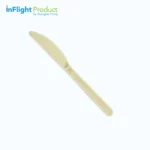
- Knives: 156 mm / 2.9 g, 156 mm / 3.2 g, 180 mm / 3.6 g
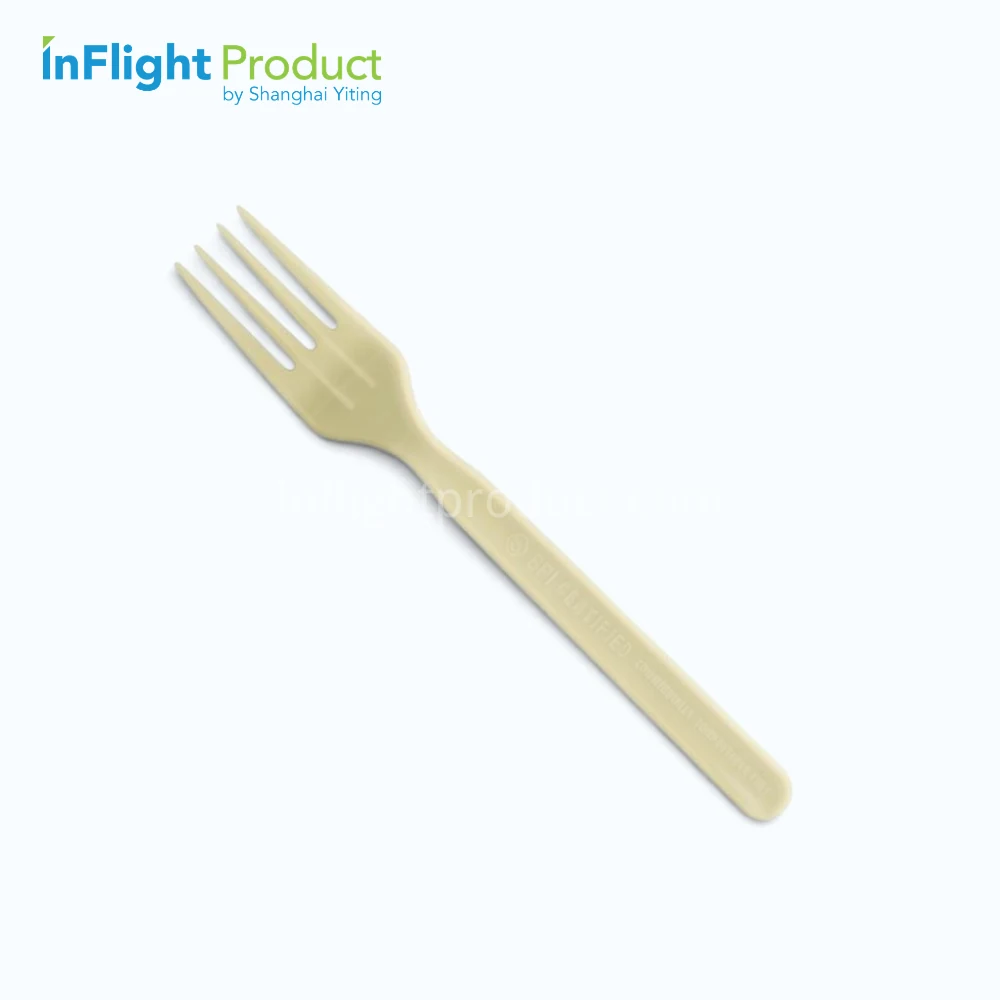
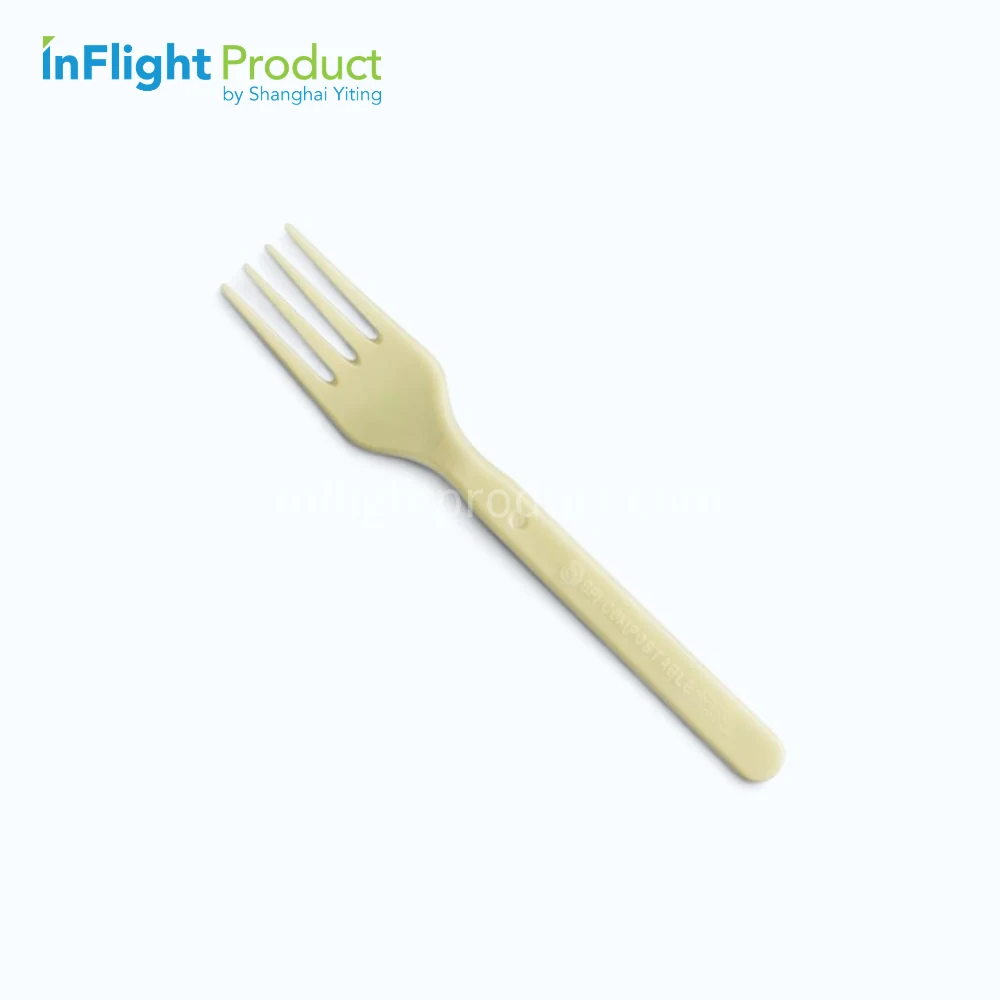
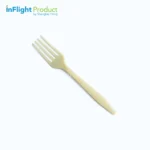
- Forks: 152 mm / 2.9 g, 152 mm / 3.2 g, 170 mm / 3.8 g
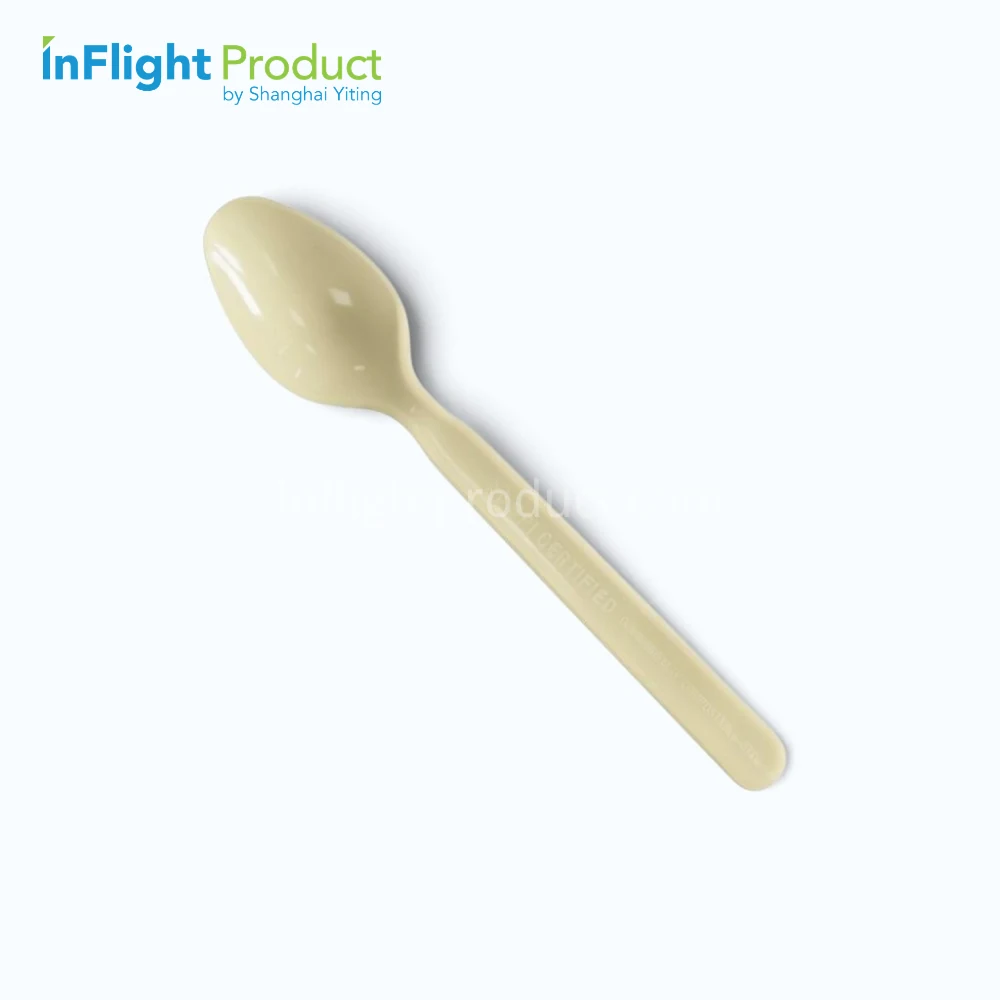
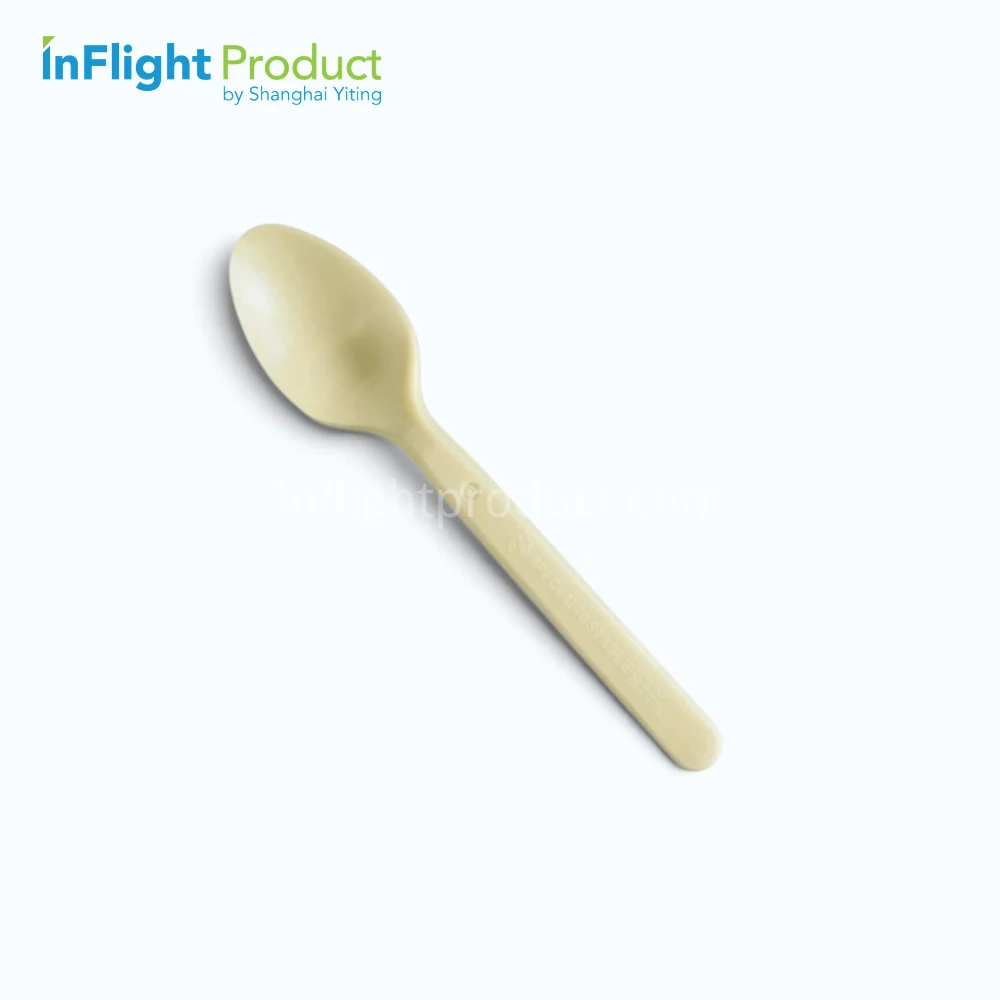
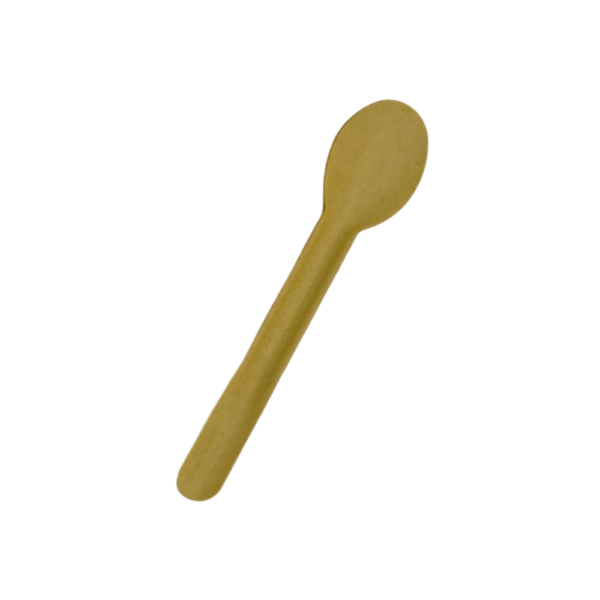
- Spoons: 146 mm / 3.2 g, 149 mm / 2.9 g, 160 mm / 3.8 g
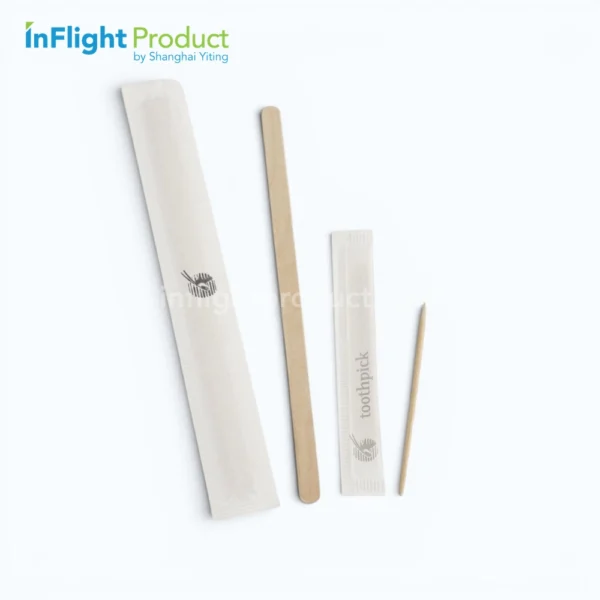
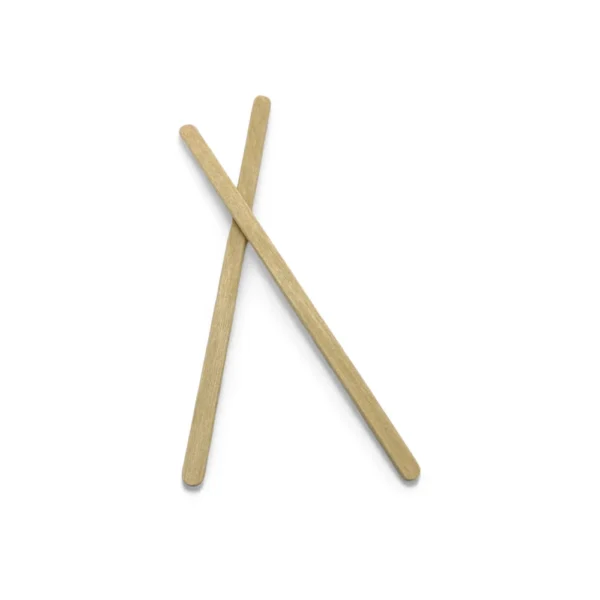
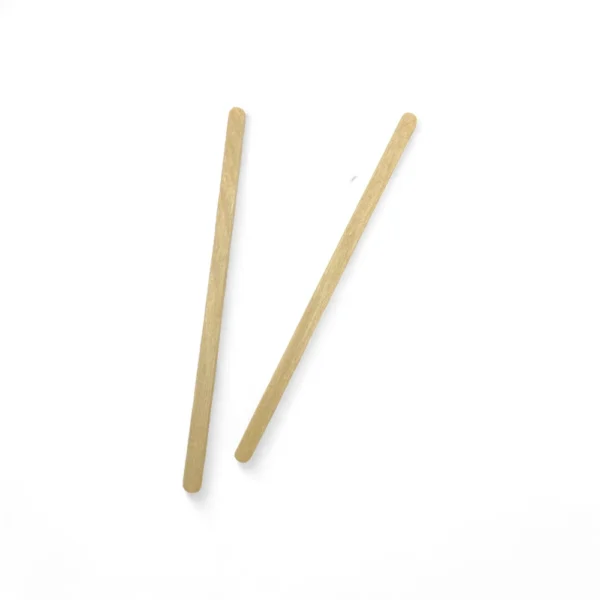
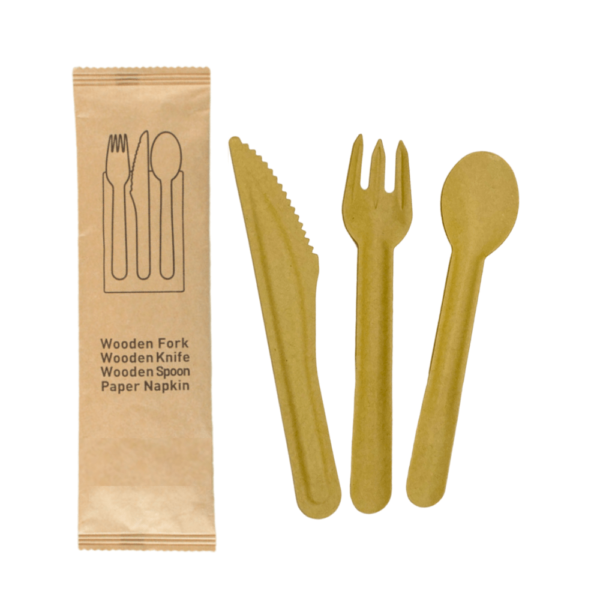
Items may be supplied separately or combined with napkins, toothpicks, salt and pepper sachets, wooden coffee stirrers and other components in a customized disposable cutlery pack. They can also be coordinated with airline meal trays for complete inflight meal-service projects.
For alternative materials and packing ideas, see our disposable wooden cutlery pack and disposable bamboo chopsticks.
PHB vs CPLA vs PSM
| Material | What it is | Main strength | Typical end-of-life position | Buyer consideration |
|---|---|---|---|---|
| PHB | A specific polymer in the PHA family | Broad biodegradation potential | Can support home-compost and marine-biodegradation claims when the finished product is verified | Higher cost and more limited supply |
| CPLA | Crystallized polylactic acid | Good rigidity and improved heat resistance | Commonly designed for industrial composting | More widely available, but not inherently home compostable or marine biodegradable |
| PSM | Plant Starch Material; a commercial material category rather than one standardized polymer | Competitive cost and familiar molded-plastic performance | Depends entirely on the formulation; some grades contain non-biodegradable conventional plastic | Verify the exact composition and finished-product certification |
Environmental Claims Buyers Can Verify
For any compostable or marine-biodegradable cutlery project, request documentation for the exact grade and finished product—not only the raw resin. Relevant evidence may include:
- Home-compostability certification or test report
- Marine biodegradation test report or certification
- Industrial compostability certification, where required
- Food-contact compliance for the destination market
- Material composition declaration
“Marine biodegradable” describes performance under a defined test method; it does not mean the product should be discarded in the sea. Disposal should always follow local collection and waste-management requirements.
Applications
- Economy and premium-economy meal service
- Airline lounges, crew meals and airport catering
- Pre-packed inflight meal trays
- Customized airline cutlery packs
- Rail and travel catering
- Hotels and takeaway foodservice
- Events and sustainability-led meal programs
- Other sustainable inflight products projects
Additional Information
| Attribute | Details |
|---|---|
| Product | Disposable knife, fork and spoon |
| Material | PHB-based PHA biopolymer |
| Knife sizes | 156 × 15 mm / 3.2 g; 156 × 16 mm / 2.9 g; 180 × 18 mm / 3.6 g |
| Fork sizes | 152 × 24 mm / 3.2 g; 152 × 26 mm / 2.9 g; 170 × 25 mm / 3.8 g |
| Spoon sizes | 146 × 30 mm / 3.2 g; 149 × 31 mm / 2.9 g; 160 × 30 mm / 3.8 g |
| Color | Natural ivory |
| Supply format | Individual items or customized cutlery packs |
| Packaging | Bulk packed or individually wrapped; custom printed packaging available |
| Environmental options | Home-compostable and marine-biodegradation-tested grades, subject to selected product certification |
| Customization | Utensil selection, set configuration and packaging design |
FAQs
1. Is PHB a type of PHA?
Yes. PHA is a family of biopolyesters, and PHB—polyhydroxybutyrate—is one of its best-known members.
2. Is PHB cutlery 100% biodegradable?
PHB is biodegradable through microbial activity, but the claim for a finished utensil depends on its complete formulation, additives and test conditions. Certification or test reports should cover the selected final product.
3. Can PHB cutlery be composted at home?
PHB-based formulations can be designed and certified for home composting. Confirm that the exact cutlery item is covered by a recognized home-compostability certificate before making a certified claim.
4. Is PHB cutlery marine safe?
PHB has demonstrated biodegradation in marine environments. “Marine safe,” however, is a broad marketing term. For procurement specifications, use a defined marine-biodegradation test or certification and never present the claim as permission to litter.
5. How is PHB different from CPLA?
CPLA is crystallized PLA, developed mainly for rigidity, heat resistance and industrial composting. PHB belongs to the PHA family and can offer biodegradation potential under a wider range of conditions, depending on the final formulation and certification.
6. What PHB cutlery sizes are available?
Knives are available in 156 mm and 180 mm, forks in 152 mm and 170 mm, and spoons in 146 mm, 149 mm and 160 mm.
7. Can PHB utensils be included in a customized cutlery pack?
Yes. Knives, forks and spoons can be combined with napkins, toothpicks, stirrers, seasoning sachets and other components. Packaging format and printing can be customized.
8. Can you provide samples and compliance documents?
Samples and available material, food-contact and biodegradation documents can be supplied for evaluation. Required standards should be confirmed before quotation because they vary by destination market and project.

Reviews
There are no reviews yet.